


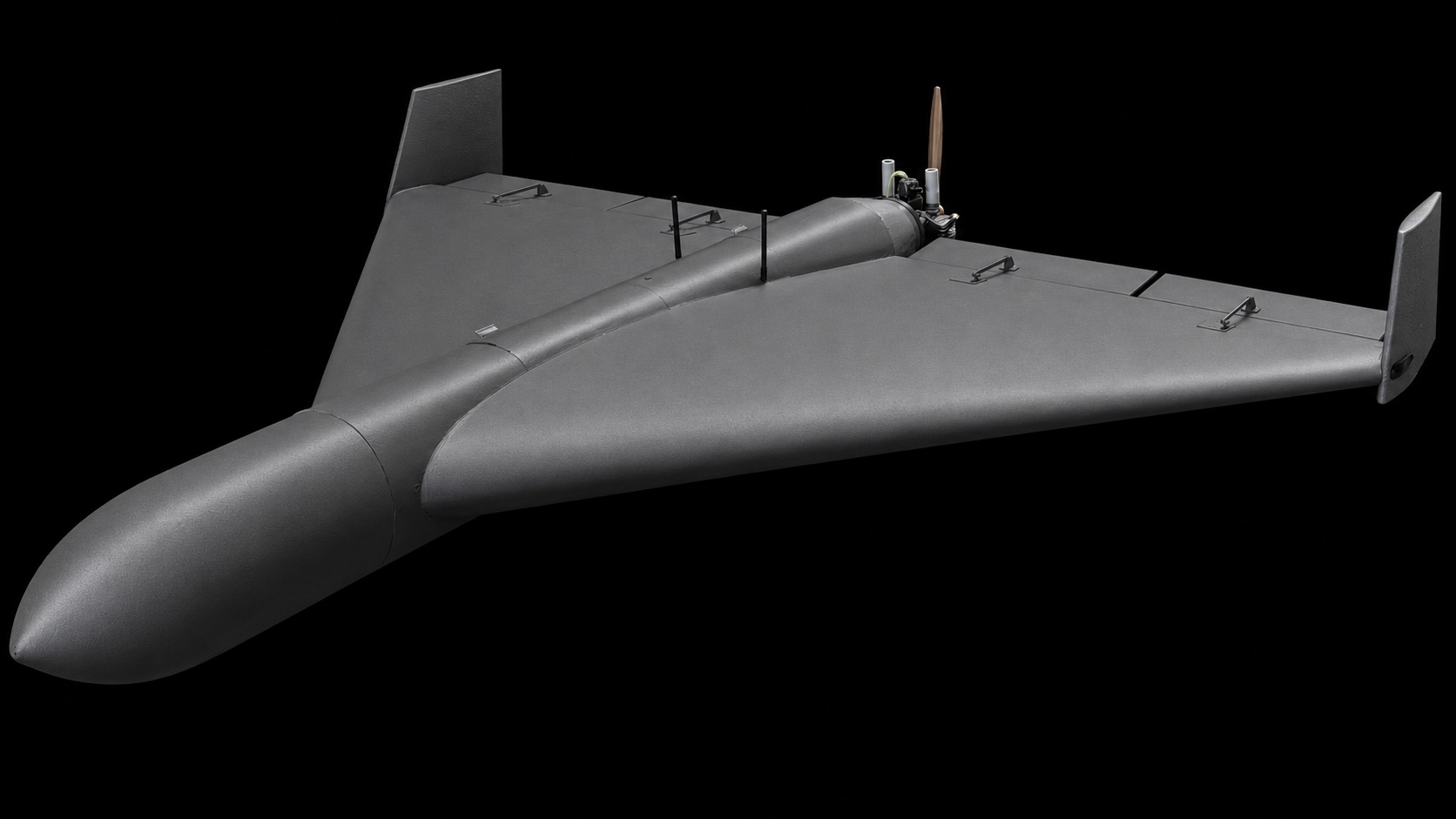
Hupalo-GT1 — High-Speed Gasoline-Powered Aerial Target for Air Defense Training
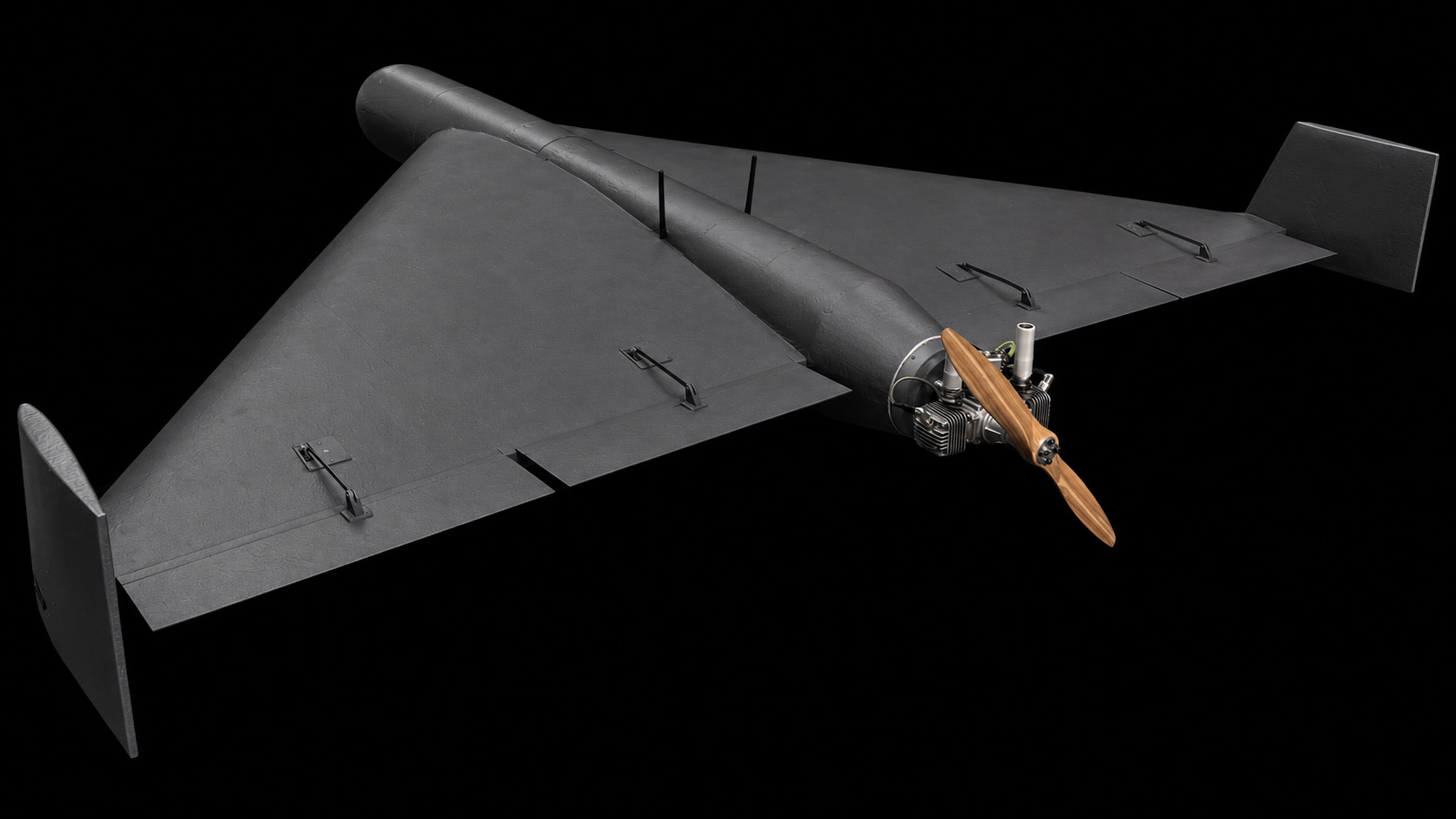
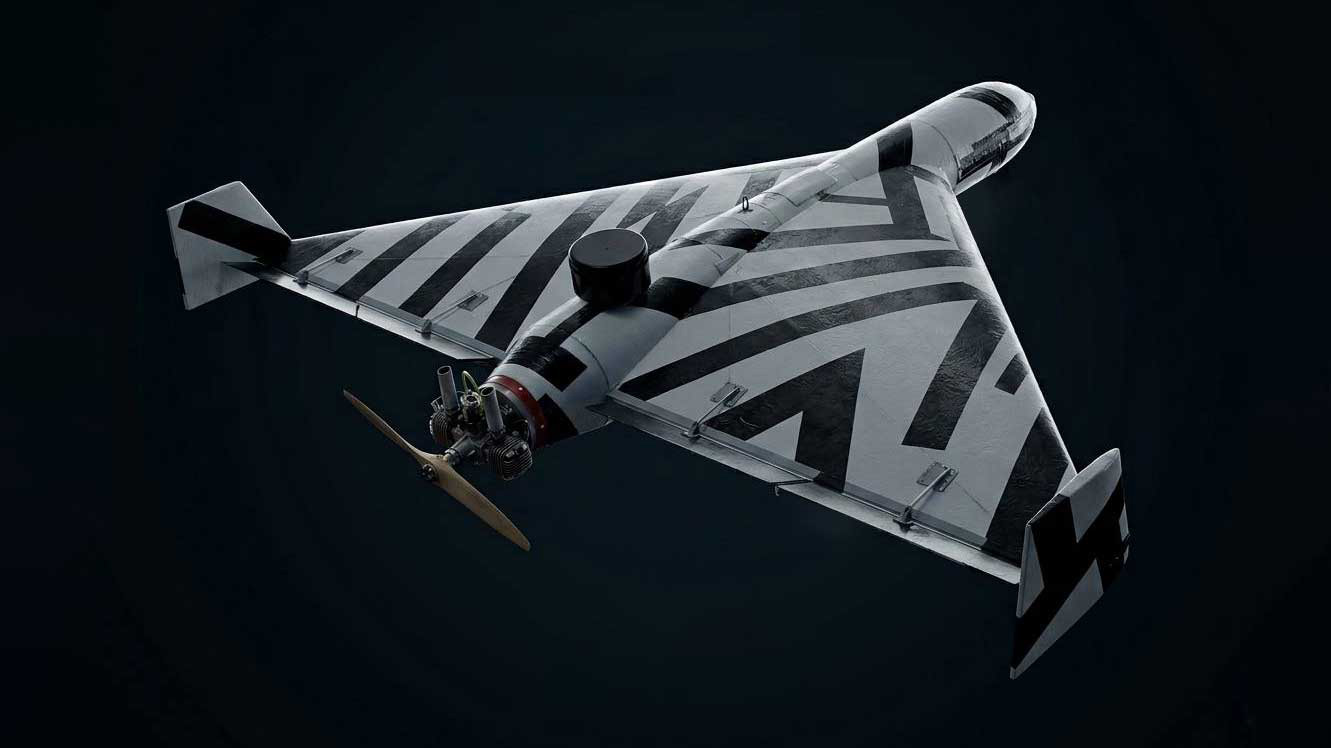
Hupalo-GT1 is a high-speed aircraft-type unmanned aerial system powered by a gasoline internal combustion engine, developed by VITRUHAN / WeTrueGun as a realistic aerial target for training air defense units, FPV interceptor drone pilots, and testing systems designed to counter unmanned aerial threats.
GT1 develops the Hupalo aerial target concept toward significantly higher speed, a realistic internal combustion engine acoustic signature, and a more pronounced thermal signature.
The current version has a cruise speed of 160 km/h and a maximum speed of up to 200 km/h.
These characteristics make Hupalo-GT1 a demanding dynamic target for practical training of modern air defense systems and FPV interceptor pilots.
Gasoline internal combustion engine
• 160 km/h cruise speed
• maximum speed up to 200 km/h • ICE acoustic signature
• enhanced thermal signature
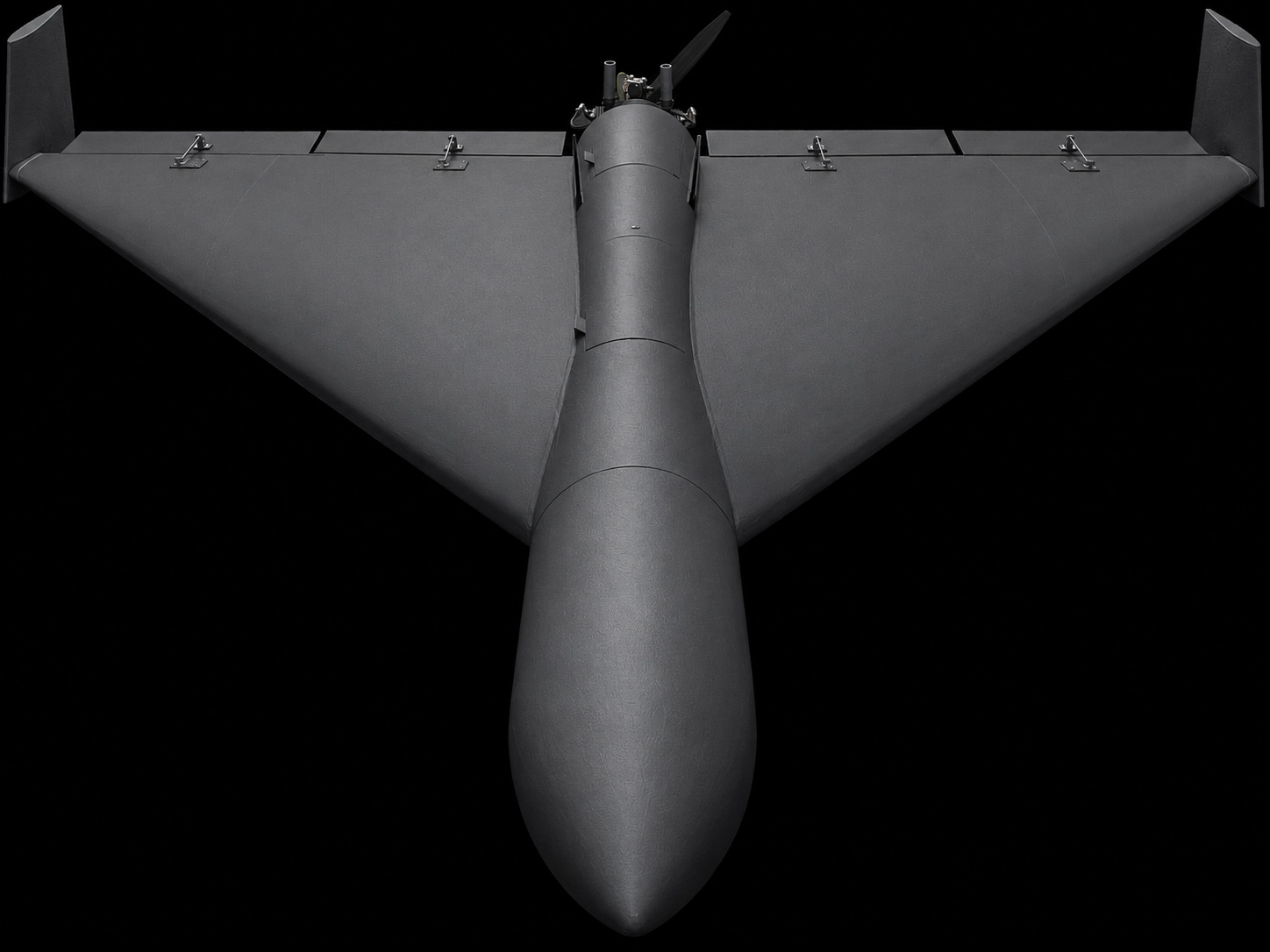
Bringing Training Closer to a Real Aerial Threat
One of the main challenges in air defense training is the limited ability to regularly train against a real high-speed aerial target.
Training based only on simulators or slow training UAVs cannot fully reproduce the conditions in which an operator must rapidly detect a target, assess its trajectory, and execute an interception.
Hupalo-GT1 was developed specifically for these scenarios.
Its gasoline internal combustion engine creates a characteristic acoustic profile and thermal signature, while the high flight speed makes target engagement significantly more demanding.
The combination of these characteristics enables the platform to simulate threats in the class of high-speed one-way attack UAVs powered by internal combustion engines, including training scenarios involving UAVs similar to the Shahed family.
What Hupalo-GT1 Is Used For
Training Mobile Fire Teams and Air Defense Units
Hupalo-GT1 allows training to be conducted against a real high-speed aerial target.
During a training scenario, the crew must:
- detect the target;
- determine its direction of travel;
- organize tracking;
- estimate its trajectory;
- prepare for interception;
- execute the assigned training task within a very limited time window.
A maximum speed of up to 200 km/h significantly reduces reaction time and makes training more demanding compared with slower training UAVs.
Hupalo-GT1 for FPV Interceptor Training
One of the primary applications of GT1 is training FPV interceptor drone pilots.
Successful interception of a high-speed aerial target requires much more than simply being able to control an FPV drone.
The pilot must learn to assess:
- target direction;
- relative speed;
- altitude difference;
- closing trajectory;
- required lead;
- optimum interception angle.
Hupalo-GT1 enables these skills to be developed against a real high-speed aircraft-type target.
A cruise speed of 160 km/h makes GT1 particularly useful for advanced pilot training when basic interception skills have already been developed and the difficulty of the training scenario needs to be increased.
Internal Combustion Engine Acoustic Signature
The key difference between Hupalo-GT1 and the electric Hupalo-N is its gasoline internal combustion engine.
An electric propulsion system cannot reproduce the acoustic environment generated by an aircraft powered by an internal combustion engine.
GT1 produces a characteristic engine sound, allowing the platform to be used in training scenarios where acoustic detection of an aerial target is important in addition to visual or radar detection.
This makes it possible to integrate the following into a single training scenario:
- acoustic observation posts;
- acoustic detection systems;
- visual observation;
- mobile fire teams;
- FPV interception crews.
As a result, one real aerial target can move through several layers of a detection and counter-UAV system during the same exercise.
Thermal Signature
An internal combustion engine produces a more pronounced thermal signature than an electric propulsion system.
This characteristic expands the possible applications of Hupalo-GT1 for testing systems that rely on the infrared signature of aerial targets.
GT1 may be used in testing scenarios involving:
- detection systems;
- thermal imaging systems;
- target tracking systems;
- advanced counter-UAV systems;
- other systems where the target’s thermal signature is relevant.
Hupalo-GT1 Speed
One of the defining features of GT1 is its high speed.
Cruise Speed
160 km/h
This is the operational cruise speed of the current Hupalo-GT1 version.
Maximum Speed
Up to 200 km/h
This performance enables complex high-speed training scenarios for operators and interception crews.
Further Development
VITRUHAN continues to develop the platform.
One of the prospective development directions is increasing the maximum speed to 250 km/h.
250 km/h is a development target and is not a current production specification of Hupalo-GT1.
Hupalo-GT1 Technical Specifications
| Parameter | Specification |
|---|---|
| Type | Unmanned Aircraft System / Aerial Target |
| Model | Hupalo-GT1 |
| Airframe type | Aircraft-type UAV |
| Propulsion | Gasoline internal combustion engine |
| Wingspan | 2.60 m |
| Length | 2.45 m |
| Cruise speed | 160 km/h |
| Maximum speed | up to 200 km/h |
| Prospective development target | up to 250 km/h |
| Acoustic signature | Pronounced internal combustion engine signature |
| Thermal signature | Enhanced compared with the electric version |
| Launch method | Launch catapult |
| Developer and manufacturer | VITRUHAN / WeTrueGun |
Exact specifications of a particular configuration may vary depending on the customer’s technical requirements.
Hupalo-GT1 vs Hupalo-N — Which Version Should You Choose?
WeTrueGun offers two versions of the Hupalo aerial target platform designed for different applications.
| Parameter | Hupalo-N | Hupalo-GT1 |
| Propulsion | Electric | Gasoline internal combustion engine |
| Cruise speed | 85 km/h | 160 km/h |
| Maximum speed | up to 125 km/h | up to 200 km/h |
| Acoustic signature | Low | Pronounced ICE signature |
| Thermal signature | Lower | More pronounced |
| Maintenance | Simple | Requires ICE maintenance |
| Operating costs | Lower | Higher |
| Best suited for | Regular and high-volume training | High-speed and highly realistic scenarios |
When to Choose Hupalo-N
Hupalo-N is best suited for systematic training where the priorities are high flight frequency, simple operation, and lower operating costs.
When to Choose Hupalo-GT1
GT1 is recommended when training requires:
- higher speeds;
- internal combustion engine acoustic signature;
- enhanced thermal signature;
- complex aerial interception scenarios;
- significantly reduced crew reaction time.
Hupalo-GT1 System Configuration
The final system configuration is determined according to the customer’s specific requirements.
The system may include:
- the required number of Hupalo-GT1 UAVs;
- ground control station;
- launch catapult;
- ground and maintenance equipment;
- operating documentation;
- crew training.
The system configuration can be adapted to specific training or testing scenarios.
Pricing and delivery lead times are calculated individually.
Hupalo-GT1 Crew Training
Operating an unmanned aircraft powered by an internal combustion engine requires additional technical skills compared with an electric platform.
Training for Hupalo-GT1 crews can be provided at the WeTrueGun Training and Technical Center.
The training program may include:
- system design and configuration;
- gasoline propulsion system fundamentals;
- engine preparation and start-up;
- fuel system operation;
- UAV pre-flight preparation;
- ground control station operation;
- catapult launch procedures;
- high-speed aerial target operation;
- execution of training routes;
- landing procedures;
- between-flight maintenance;
- standard operating procedures;
- safety requirements.
This enables the customer to receive a complete system together with personnel trained to operate it effectively.
FAQ — Hupalo-GT1
What is Hupalo-GT1?
Hupalo-GT1 is a high-speed aerial target powered by a gasoline internal combustion engine, developed by WeTrueGun for air defense training, FPV interceptor pilot training, and testing counter-UAV systems.
What is the cruise speed of Hupalo-GT1?
The cruise speed of the current version is 160 km/h.
What is the maximum speed of Hupalo-GT1?
The maximum speed of the current version is up to 200 km/h.
Can Hupalo-GT1 fly at 250 km/h?
Not yet. A speed of 250 km/h is a prospective development target. The current maximum speed of Hupalo-GT1 is up to 200 km/h.
What is the difference between Hupalo-GT1 and Hupalo-N?
Hupalo-GT1 uses a gasoline internal combustion engine and provides significantly higher speed, a characteristic engine acoustic signature, and a more pronounced thermal signature.
Hupalo-N uses electric propulsion and is optimized for regular training with lower operating and maintenance costs.
Can Hupalo-GT1 be used to train FPV interceptor pilots?
Yes. This is one of the platform’s primary applications. Its high speed enables advanced practical training against a real aircraft-type aerial target.
Can Hupalo-GT1 be used for acoustic detection training?
Yes. The internal combustion engine generates a characteristic acoustic signature, allowing the platform to be used in scenarios involving acoustic detection of aerial targets.
Does WeTrueGun provide Hupalo-GT1 crew training?
Yes. Customers can receive training covering platform operation, gasoline engine procedures, ground control station operation, launch procedures, and maintenance.
Order Hupalo-GT1
For detailed information regarding a specific configuration, pricing, production lead time, and delivery terms for Hupalo-GT1, contact VITRUHAN / WeTrueGun.
Developer and manufacturer:
VITRUHAN / WeTrueGun